
Reading time: 6 minutes
Udaipur is not where most people would choose to build a fashion brand from.
Shivani Soni didn't see the problem with that.
She grew up in Udaipur noticing colours, fabrics, how things fit, how someone carried an outfit — small details that most people walked past without seeing. At eight years old it wasn't a skill. It was just something she felt. Nobody around her thought it could one day become part of building a business.
She went on to train as a fashion designer. And then she looked at the Indian fashion market and noticed something that should have been obvious — but that most people in the industry had simply stopped seeing.
Ninety-nine percent of fashion brands were building for one percent of Bharat.

The Question That Wouldn't Leave
The rest of the country — people in smaller cities, people who wanted to dress well but couldn't afford metro prices or access metro stores — were being completely ignored. Not because brands didn't know they existed. Because nobody had bothered to build for them.
That observation became a question Shivani couldn't leave alone:
Why should someone have to live in a metro city — or spend a lot of money — to enjoy fashion?
That question became Beyoung.
She co-founded the company with her siblings from Udaipur, with limited capital and without the advantage of being in the cities that Indian fashion had always called home. They couldn't sit around wondering if they had enough. They made the most of what they had and kept going.
Looking back at where they started and where Beyoung is today — the distance is real.
What Data Has Never Been Able to Tell Her
Today, Beyoung has over three million customers, a team of 300-plus members, and stitching units in Udaipur itself — employing people from the city most founders would have left behind.
But ask Shivani what drives the decisions, and she doesn't reach for a dashboard.
"Data can tell you what people bought, how much they spent and where they came from. But it can't tell you what that purchase meant to them."
She describes watching customers discover something they genuinely love at a price they can actually afford — the specific quality of excitement in that moment. It doesn't go into a spreadsheet. You understand it only when you actually meet your customers and listen.
This is what she means when she says the next iconic Indian brands won't come from market reports. They'll come from founders who understand Real Bharat — not from a distance, but from inside it.
"Once you see a problem closely enough," she says, "you stop thinking about it as a market opportunity and start thinking about how you can actually solve it."
The Version of Herself She Had to Let Go Of
Building Beyoung required something that had nothing to do with fashion or funding or market strategy.
Shivani had to let go of the version of herself that wanted everything perfect before moving forward.
When you're building a company, she learned, things will never be perfect. You make decisions. You learn from them. You keep moving. You become more comfortable with uncertainty — not because the uncertainty goes away, but because you stop waiting for it to.
On bad days, she goes quiet. She doesn't reach for an immediate solution. She steps away from the noise, gets her thoughts together, and comes back when she has clarity.
"Not every bad day needs an immediate solution."
That patience — with herself, with the process, with the timeline of building something real — is something she developed inside Beyoung. It wasn't there at the beginning.
The Rooms Where She Had to Work Harder
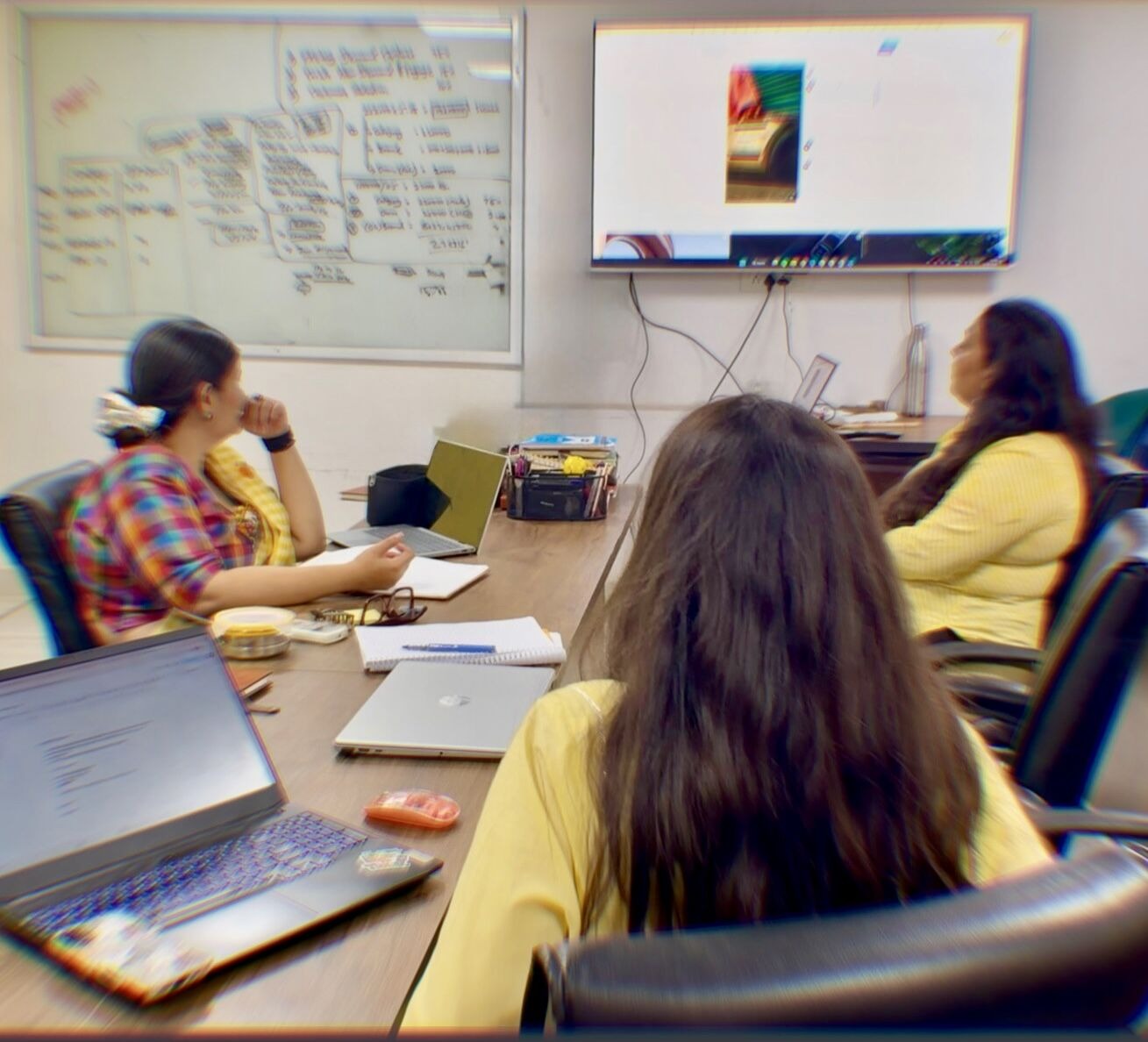
There have been rooms where Shivani felt she had to work a little harder to make her voice heard.
She is careful about how she says this. She doesn't name it as a fight. She describes it as a decision she made early — to not respond to assumptions with words, but to let her work create the space instead.
As a woman co-founder, there are assumptions about what your role should be. What decisions belong to you. How seriously your point of view should be taken.
She never argued against those assumptions directly.
"I wanted my decisions to speak for me."
They did.
Building With Family
Building a company with siblings is one of the most complicated things a person can do. There is a version of Shivani the sister and Shivani the co-founder that sometimes pull in different directions.
She doesn't pretend otherwise.
There are disagreements — on decisions, on direction, on how fast to move. But underneath the disagreements is something most business partnerships don't have: a foundation of trust that predates the company itself. They may see things differently, but everyone wants the same thing. The business to grow. The mission to work.
That foundation is, she believes, part of what has held Beyoung together through its most difficult moments.
Walking Through the Stitching Units
There is one part of Beyoung that gives Shivani a feeling she doesn't find anywhere else in the business.
The stitching units in Udaipur — employing people from the same city she grew up in.
When she walks through them, the business stops feeling like a business. It feels personal. She sees people from her own city working, learning, growing — with something that started as a small idea, an observation, a question that wouldn't leave.
It reminds her that a company can create opportunities around it, not just products for customers. That building something real in a place most people write off is itself a kind of statement.
What Beyoung Built in Her
Ask Shivani what Beyoung has done, and she'll tell you about the customers — three million of them, many from smaller cities who describe Beyoung as fashion that finally felt accessible without compromising on style.
"When someone tells you that your brand made them feel more confident," she says, "the numbers suddenly feel much more personal."
But the thing she says she hasn't spoken about enough is different from any of this.
"I don't think of Beyoung only as something we built. In many ways — it also built me."
The sacrifices nobody saw. The self-doubt nobody asked about. The failures that didn't make the press release. The moments of having to grow as a person before she could grow as a founder.
Most interviews about Beyoung ask about the business — the numbers, the growth, the market. Very few ask what the journey has felt like personally.
The answer, it turns out, is the most important one.
She is not the same person who started with that question about why fashion had to belong only to metro cities. She is, in many ways, someone that Beyoung built — through every difficult decision, every uncertain phase, every room where she had to prove herself without words.
That transformation is the story most people never thought to ask about.
Brand Untold asked.
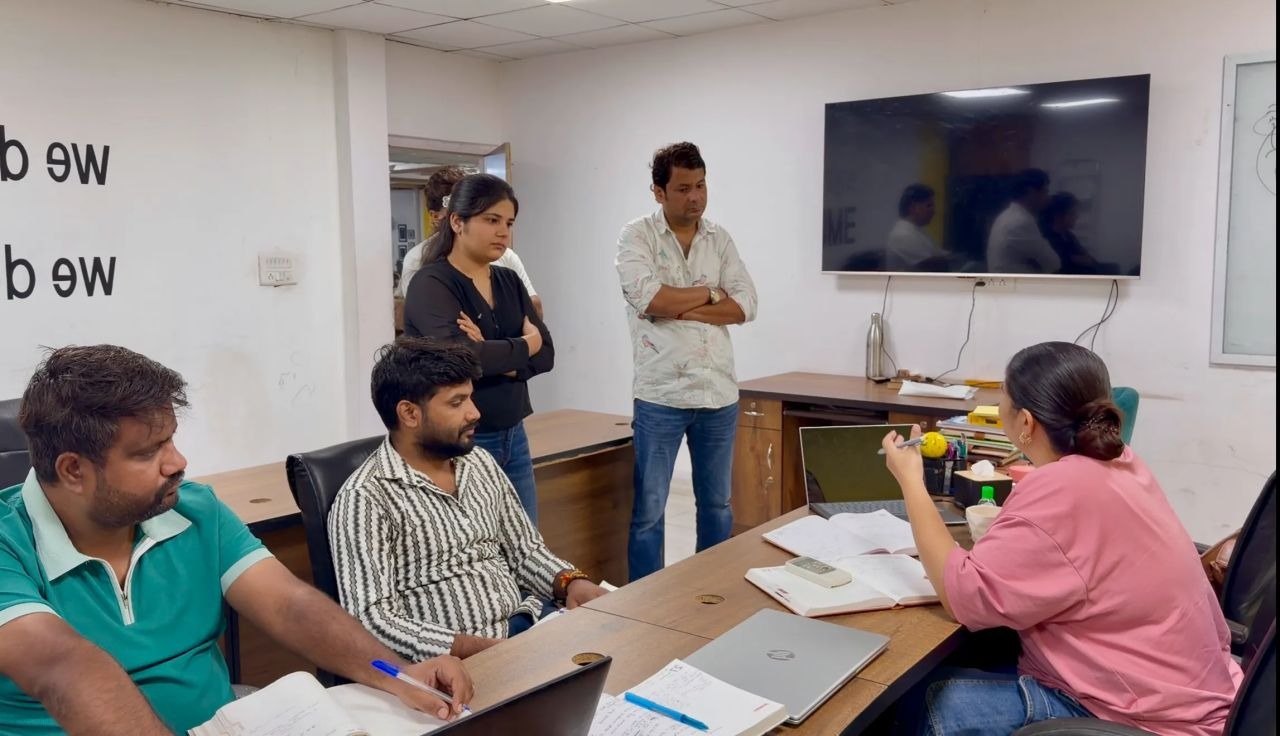
Shivani Soni is the Co-Founder and COO of Beyoung — India's fashion brand for Real Bharat. Follow her journey at @shivani.beyoung and @beyoung.in_official
Brand Untold tells the real stories behind Indian brands and founders — the thinking, the decisions, and the human moments that shaped everything.
→ Read more founder stories: branduntold.in/categories/founder-stories → Tell your story: branduntold.in/work-with-me